“The bottleneck is, after all, always at the head of the bottle.”
Peter Drucker
01 Find what’s really getting in the way
02 Make something work better
03 Make sure the work is as good as it needs to be
04 Challenge your thinking
How I work and what gets better
The systems behind a company are its backbone. Strengthening them is where operational excellence begins.
Best for
Growing companies
Teams outgrowing their processes
Businesses with operational complexity
Map the system
I map how people, processes, tools and decisions connect, giving us a bird’s-eye view of the business.
This makes hidden dependencies, bottlenecks and knock-on effects easier to see.
Whole picture
Hidden dependencies
Better priorities
Redesign the workflow
I simplify unnecessary steps and improve how work moves between people, tools and machines.
The result is smoother execution, fewer delays and less going back and forth.
Smoother execution
Fewer delays
Less back-and-forth
Remove operational friction
I find the repeated work, unclear ownership and temporary fixes that have quietly become the process.
Removing them frees up time and capacity for work that actually moves the business forward.
Less wasted effort
Fewer recurring problems
More capacity
Turn good practice into a standard
I turn what already works well into clear standards, decision rules and review points.
Good work becomes easier to repeat without relying on one person to remember how it should be done.
Consistent execution
Faster decisions
Less reliance on memory
You built your business to make a difference for the people it serves. Create an exceptional experience and your brand will become a default choice for them.
Best for
E-commerce & consumer brands
Premium brands
SaaS & digital products
Find the brand beneath the marketing
I work with you to uncover what the business genuinely stands for, promises and does differently.
This gives your messaging and creative decisions something solid to build on.
Clearer positioning
Stronger message
Better creative decisions
See the brand through the client’s eyes
I look at your website, messaging and key touchpoints without relying on what you already know about the business.
This reveals the gap between what you mean and what a potential client actually understands.
Clearer message
Fewer assumptions
Stronger first impression
Remove friction from the client journey
I follow the journey from first impression to enquiry, purchase, delivery and onboarding.
It will make it easier for the right client to understand, trust and move forward.
Fewer drop-offs
Easier decisions
Smoother user experience
Strengthen how your brand communicates
I improve the structure and clarity of websites, presentations and brand materials, or help shape new ideas.
The communication becomes easier to understand, more convincing and more recognisably yours.
Clearer communication
Greater credibility
More trust from clients
Growth is not only about becoming bigger. Quality is what makes a business worth choosing, trusting and returning to.
Best for
Businesses with high standards
Companies that care how good, not only how big
Teams producing high-stakes work
Experience the product as a user
I walk through the product as a user, paying attention to its flow, logic, language and consistency.
We catch confusion and unnecessary friction before they become the user’s problem.
Clearer flow
Fewer inconsistencies
Less user friction
Review high-stakes materials
I review presentations, pitch decks and important documents for structure, logic and clarity.
You get fewer revision rounds and a final result that holds up under scrutiny.
Fewer revisions
Stronger logic
Ready for scrutiny
Check whether execution matches intention
I compare the finished work with what it was meant to communicate, achieve or make someone do.
This exposes the gap between a good intention and what actually landed.
Better alignment
Greater coherence
Stronger impact
Define the standard
I turn subjective opinions about quality into clear criteria and review points.
Approvals become faster, work becomes more consistent and less depends on one person’s judgement.
Faster approvals
Consistent quality
Shared judgement
The founder’s decisions shape everything that follows, so clearer thinking at the top leads to a stronger business and better outcomes for its clients.
Best for
Founders seeking a strategic thinking partner
Founders facing complex decisions
Founders who want honest challenge, not automatic agreement
Whatever part of the business we are working on, I work closely with the founder. I help you look at decisions from two sides at once: what is right for the business and what creates real value for the people it serves.
I challenge assumptions, make trade-offs and wider consequences visible, and help you protect the quality of the company you are building. You make the final decision — with a clearer view and fewer blind spots.
Clearer decisions
Honest challenge
Business and client perspective
People who trusted me
I’ve worked closely with Marzena, and what stands out immediately is her level of self-awareness and her willingness to engage in the kind of work most people avoid.
She doesn’t look for easy answers or quick wins. She challenges her own thinking, asks better questions, and applies what she learns in a practical, business-focused way.
In a short space of time, I’ve seen her significantly sharpen her clarity, strengthen her positioning, and become far more intentional in how she supports founders.
What makes Marzena different is that she doesn’t just operate at a strategic level — she understands the human side of business and knows how to translate that into real-world action.
If you’re a founder who is serious about growth and open to being challenged, Marzena will add real value.
Ahmed Aid, 5x Founder
Marzena is the person who sees beyond the box, beyond the limitations you sometimes put on yourself. Not only a great strategist but a visionary who knows how to execute things right away.
She is great at motivating you, believing in you and your vision, and helping you see the bigger picture — and she is not afraid to give you real, honest feedback.
Vanessa, Founder and DJ
Marzena helped better understand my client's perspectives and how I could align my services to better address their needs and requirements. She's also helped me identify gaps in my outreach strategy that I can address without changing it completely. She's been extremely helpful in realigning my vision for my business so that it's better equipped to be visible in the right spaces with the right people.
Indraneil Chaudhury, Founder
A few of companies I've had the pleasure to work with
Ways to work with me
Focused Review
One defined piece of work. One clear outside perspective.
For one clearly defined piece of work that would benefit from an independent perspective. It could be a presentation, an important document, a website page, one workflow or a specific part of the client journey.
One-off project, usually completed within one week
Clear recommendations and priorities you can act on
Fixed scope and fee agreed before the work begins
Best for work that needs a sharper second pair of eyes
For something that needs deeper investigation, several connected steps or changes across part of the business. Your operations may no longer support the company, sales may be falling, or an important client journey may need to be reconsidered.
Scope built around the actual issue, not a predefined package
Several connected areas can be reviewed together
Clear improvement plan with priorities and next steps
Timeline and fee defined before the project begins
After completing a focused review or improvement project, I may continue supporting you as an independent thinking partner.
This can include regular founder conversations, support with important decisions, reviews of work in progress and ongoing attention to quality. We agree on the rhythm and scope based on where my involvement continues to add value.
Take the first step toward a meaningful collaboration
If you’re curious whether there’s a good fit, book a short conversation and let’s find out. During the call we will explore your situation, exchange perspectives and see what kind of collaboration will bring the most value.
What guides my work
The 80/20 rule
20% of the elements in a business drive 80% of its results.
I look for that 20% - the high-impact elements that are easy to miss when you are close to the business. My work follows a simple principle: small changes, made in the right place, can create a disproportionately large effect.
Kaizen: a mindset with a method
A Japanese philosophy for making improvement continuous and practical
Kaizen guides me to make improvement practical, continuous and sustainable, not change for the sake of change. The aim is to leave behind not only a better solution, but a company better equipped to keep improving.
Client-centric, human-rooted
A way of building a business around people
I test decisions against two perspectives: what creates real value for clients and what allows people inside the business to do good work. Technology may change how the work is done, but people remain at the centre of why it is done.
Fit check
We will work well together if:
You value an independent perspective and are willing to have your assumptions challenged.
You care about what works in practice, not only what looks impressive on paper.
You are prepared to address the cause, even when it turns out not to be the problem you expected.
You want clear thinking, honest recommendations and decisions you can act on.
We are not the right fit if:
You need someone to execute a fixed list of tasks without questioning it.
You are looking for confirmation rather than an honest assessment.
You want a ready-made formula applied without understanding the wider context.
You want to polish the visible problem while leaving its cause untouched.
If you care about quality, welcome a fresh perspective and want better answers rather than easy ones, we’ll make a strong team.
My story
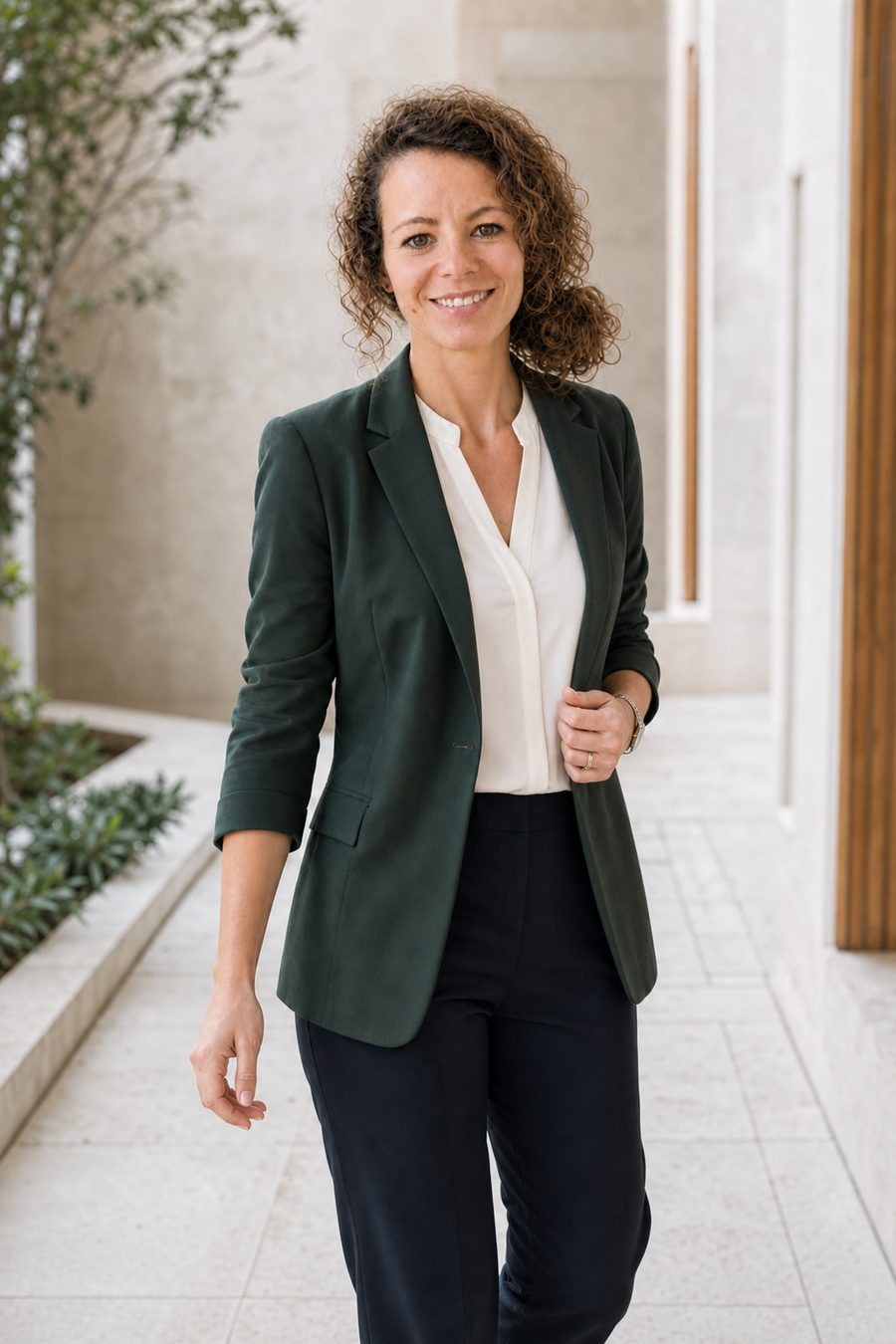
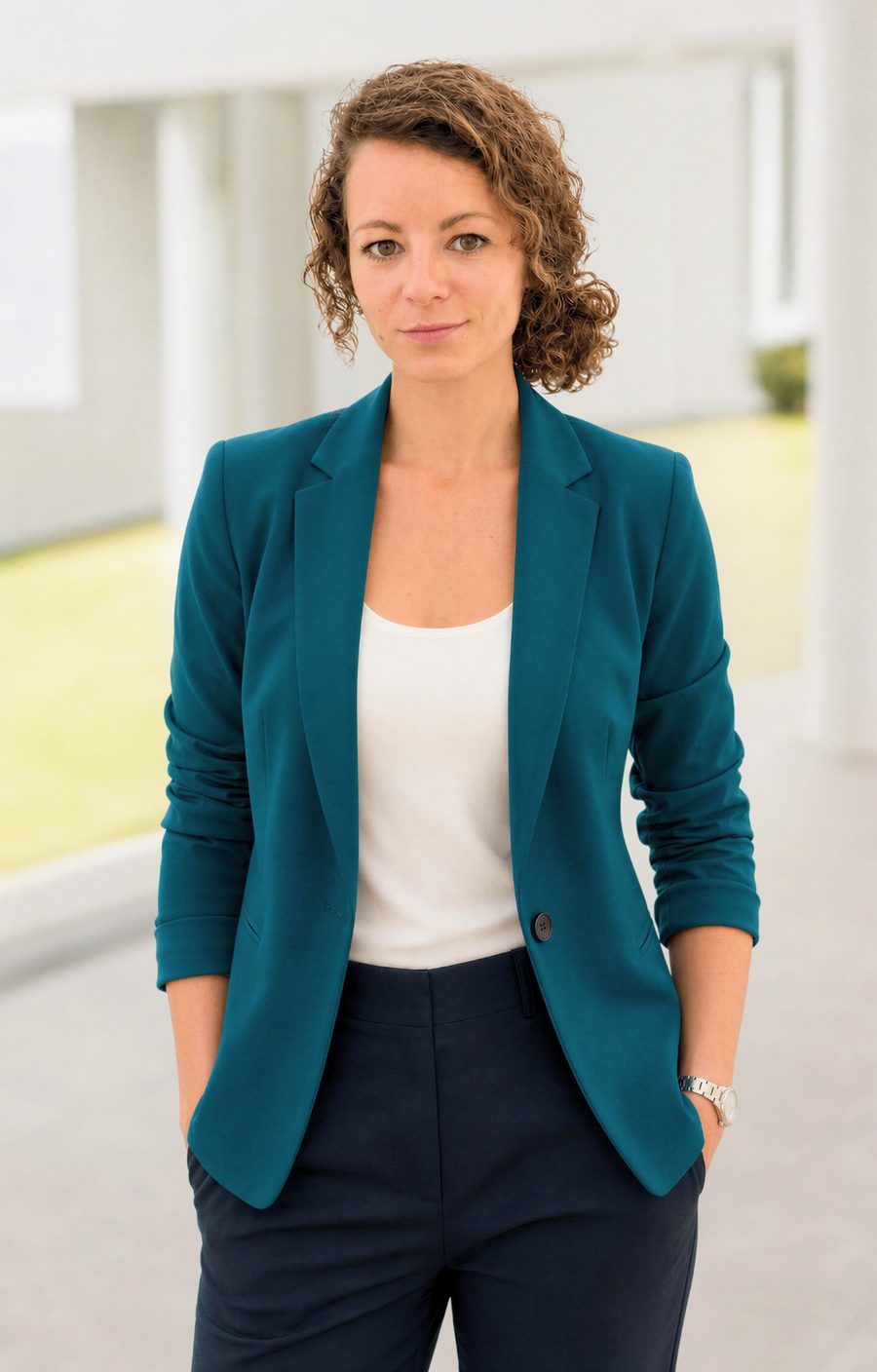
Hi, I'm Margie.
My career has taken me through many different roles - from working as a sales representative and in business development to becoming Head of Operations and Compliance. Today, I am also actively building several ventures of my own as a founder. Moving across functions and levels taught me how differently the same business can look depending on where you stand, and how all of those perspectives affect one another.
Each seat revealed a different part of the same picture.
Operations taught me that strategy is only as good as the process carrying it.
Sales taught me that what a company means and what a client hears are often two different things.
Leadership taught me that every decision travels.
Consulting showed me how much easier a pattern can be to see from the outside.
Being a founder taught me that all of it meets in one place: the founder’s head.
Why business improvement
Business consulting usually asks how a company can grow and achieve better results. Business improvement adds another question: how can the company become better as it grows?
It looks beyond the result to the quality of the decisions, operations, work, brand and client experience behind it. Kaizen carries that thinking beyond a single improvement: noticing, questioning and improving stop being occasional exercises and become inseparable from the way the company develops and grows. The aim is not only a better solution today, but a business that keeps getting better.
The business between the lines
Being a late-diagnosed neurodivergent shapes the way I understand a business. My brain processes information through patterns. It naturally looks for the whole system and for connections between things that may not appear related at first.
I absorb how the founder thinks, how the business operates, what it values and what its clients experience. That allows me to work as an extension of the founder’s thinking - holding the wider context, connecting information that lives in different places and testing ideas against the whole business.
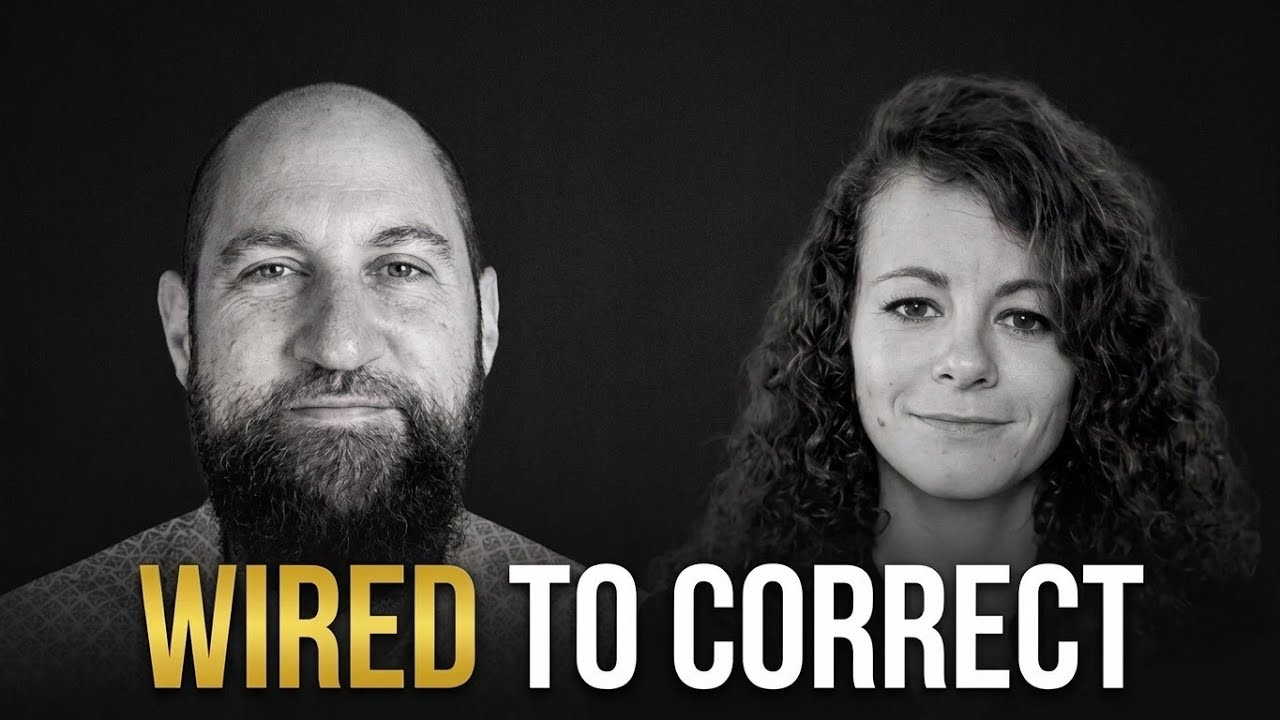
A conversation on The Pattern-Seeking Entrepreneur Podcast by Jonathan Domsky. We talked about neurodivergence, pattern recognition, business systems and why founders need space to think.
Meet Sanara. Her responsibilities include joining meetings uninvited, supervising my working hours and making sure I occasionally leave the house.
The questions worth asking
Why should I work with you instead of a traditional consultant or a larger firm?
A large firm makes sense when you need a large delivery team or several highly specialised departments. I am a better fit when you want direct access to one experienced person who works closely with the founder and connects what would usually be separated across operations, brand, client experience and quality. You work directly with the person doing the thinking, and asking the inconvenient questions.
Do you only provide recommendations, or do you help implement them?
I do not disappear after presenting the recommendations. Depending on the scope, I can redesign workflows, improve materials, document processes, define standards and support your team as changes are introduced. Where implementation requires developers, designers, legal advisers or other specialists, I can shape the brief, keep the work aligned and review whether the result matches the intention.
Do I need to know exactly what the problem is?
No. You can come with a clearly defined task, an existing project plan, a wider business issue or simply the sense that something is not working as well as it should. Identifying what is actually getting in the way can be part of the work.
Is my business large enough?
My work is most useful when you have a working offer, real clients and enough activity for patterns, friction and unused potential to exist. You do not need a large company—you need a real business with something worth improving.
Do you need experience in my industry?
Not necessarily. The fundamentals of business improvement apply across industries, while the context of your particular business is something I learn during the work. If an issue requires specialist technical, legal or regulatory knowledge, I will say so and work alongside the appropriate expert rather than pretend otherwise.
Can you work with my team or existing partners?
Yes. I can work directly with the founder or alongside internal teams, agencies and external specialists. We involve the people whose knowledge, decisions or ownership matter—without turning the project into a new reason for everyone to attend more meetings.
How long does the work take?
A Focused Review is usually completed within one week. An Improvement Project may take several weeks or longer, depending on its complexity, urgency and any deadline you are working towards. The scope, timeline and fee are agreed before we begin.
Can we continue working together after the project?
Possibly. After completing a Focused Review or Improvement Project, I may remain involved as an independent thinking partner through founder conversations, decision support, reviews of important work and ongoing attention to quality. Ongoing support is available to existing clients where continuing the relationship makes sense for both sides.